

When couples separate, one of the most emotionally charged and financially complex questions is what happens to the family home in divorce. For many, the house isn’t just an asset; it’s the place where they raised children, hosted holidays, and built a life together. At the same time, it’s often the single most significant investment and a central part of the marital estate.
For some divorcing spouses, the home represents years of financial sacrifice, mortgage payments, property taxes, repairs, and renovations. For others, it means safety, stability, and treasured memories. That’s why disputes over the home can be especially intense and emotionally draining.
In this comprehensive guide, we’ll explain how courts handle the family home in divorce, explore the different legal and financial scenarios, and answer the most common questions couples have about this critical issue.
Table of Contents:
- Introduction: Why the Family Home Matters in Divorce
- Understanding Marital vs. Separate Property
- FAQ: Common Questions About the Family Home in Divorce
- Additional Scenarios That Can Affect the Outcome
- State-by-State Considerations
- Financial and Emotional Factors to Consider
- Steps to Protect Your Interests During Property Division
- Mistakes to Avoid in Divorce Property Settlements
- Case Studies and Real-Life Examples
- Conclusion & Legal Assistance
Introduction: Why the Family Home Matters in Divorce
The family home often becomes the central issue in divorce property division because it’s both emotionally significant and financially valuable. In many divorces, it accounts for the majority of a couple’s net worth.
- You can split bank accounts or investment portfolios easily, but you can’t divide a house down the middle without selling it.
- It’s tied to lifestyle and stability, especially when children are involved.
- It carries maintenance responsibilities and ongoing costs.
Understanding Marital vs. Separate Property
Before a judge can decide who gets the family home in a divorce, the first and perhaps most crucial step is determining whether the property is marital property or separate property. This classification matters because it dictates whether the home will be divided between spouses or kept entirely by one.

Marital Property
Marital property includes assets and debts acquired during the marriage, regardless of whose name is on the deed, title, or account. The key element here is timing; if the property was purchased or significantly paid for after the wedding date, it will generally be considered marital.
- Acquired during the marriage. Whether bought jointly or individually, if the purchase happened after the wedding, it’s typically marital.
- Paid for or maintained with joint funds. If mortgage payments, taxes, or insurance were paid from joint accounts or both spouses’ income, it’s marital property.
- Appreciation during the marriage. Even if the home was originally separate property, any increase in its value that occurred during the marriage due to joint efforts or market conditions can be considered marital.
John and Lisa got married in 2010 and purchased a home in 2012. The deed is in Lisa’s name alone because she had better credit, but the down payment, mortgage, taxes, and upkeep were all paid from their joint bank account. Under most state laws, this home is considered marital property because it was acquired during the marriage with shared funds, even though only Lisa’s name is on the deed.
Separate Property
Separate property refers to assets owned by one spouse before the marriage, or assets acquired individually during the marriage under specific circumstances, such as gifts or inheritances.
- Owned before the marriage. If a spouse purchased a home while single and did not mix marital finances with the property, it may remain separate.
- Inherited by one spouse alone, a home passed down through a family line is generally considered separate property, even if it is inherited during the marriage.
- Received as a gift to one spouse. For example, if one spouse’s parents gift them a house in their name only, it may remain separate.
Sarah bought a small house in 2005, three years before marrying David. She kept the mortgage in her name and paid it exclusively from her personal bank account. During the marriage, they lived elsewhere, and she rented the property out. Because she kept the finances entirely separate, that property likely remains her separate asset.
The Caveat Commingling
Even if a property starts as separate, it can become partially or entirely marital through a process called commingling. This happens when marital funds, labor, or resources are mixed with separate property in a way that changes its nature under the law.
Common Commingling Situations:
If a spouse owns the home before marriage but starts using marital income to pay the mortgage, that can convert part of the property’s equity into marital property.
If both spouses contribute to renovations that significantly increase the home’s value, such as adding an extension or remodeling a kitchen, the appreciation may be treated as marital.
FAQ: Common Questions About the Family Home in Divorce
Here are the top questions people ask when they want to know what happens to the family home in divorce.
Short Answer: No, selling is common but not mandatory.
Courts may order a sale if:
- Neither spouse can afford the mortgage alone.
- There’s no agreement on who will keep it.
- Equity needs to be divided equally.
- One spouse keeps the home and buys out the other’s share.
- The sale is postponed until a triggering event, like children graduating.
- Continued co-ownership for a set period.
Short Answer: Yes, this is a common approach.
- Get a professional appraisal.
- Subtract the mortgage balance to determine equity.
- Pay the other spouse their share using cash, refinancing, or asset exchange.
Buyout amount: $100,000 to the other spouse.
Short Answer: Courts often prioritize children’s stability.
If minor children are involved, the custodial parent may be allowed to remain in the home until:
- Children graduate from high school.
- The custodial parent remarries.
- A predetermined date agreed upon by both spouses.
Short Answer: State property division laws are crucial.
Community Property States (e.g., Texas, California):
- Marital property is split 50/50.
Equitable Distribution States (e.g., Florida, New York):
- Property is divided fairly, not always equally.
Short Answer: The property is usually sold.
In underwater mortgage situations:
- A short sale may be negotiated.
- The home may be rented until the market improves.
Additional Scenarios That Can Affect the Outcome
While the classification of the home as marital or separate property and state property laws are the main deciding factors, certain exceptional circumstances can significantly change the outcome of who gets the family home in a divorce. These scenarios can either simplify or complicate the decision-making process, depending on the facts and evidence.
1. Prenuptial or Postnuptial Agreements
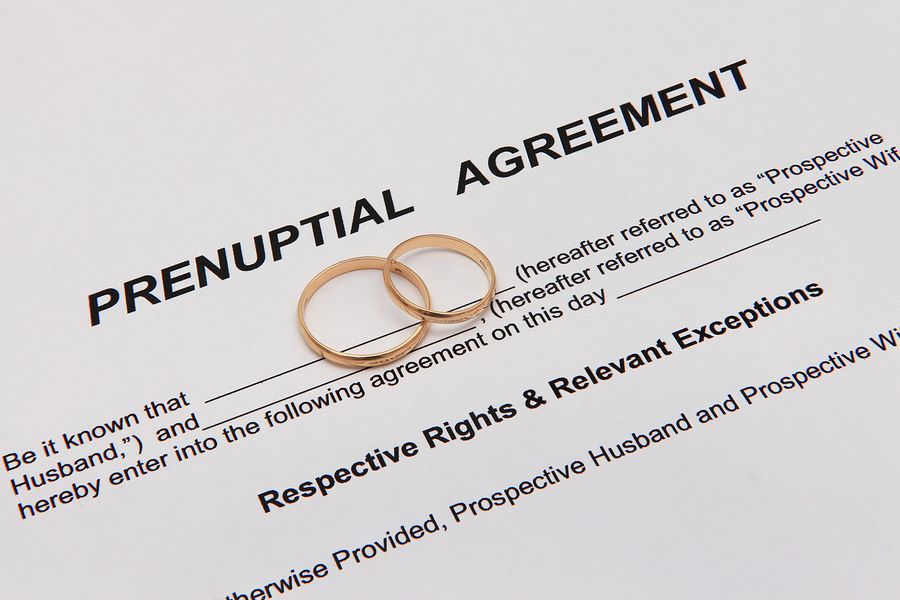
A prenuptial agreement (“prenup”) is a contract signed before marriage that outlines how assets (including the family home) will be divided if the couple divorces. A postnuptial agreement (“postnup”) is similar but signed during the marriage.
- A prenup can clearly state which spouse will keep the house in the event of a divorce.
- If one spouse owned the home before the marriage, the prenup may affirm that it will remain that spouse’s separate property regardless of marital contributions.
- If the couple buys a home during the marriage, the prenup can still dictate division, buyout terms, or even require a sale.
Sarah and James signed a prenup before marriage stating that any home purchased during the marriage in Sarah’s name would remain solely hers. Years later, they bought a house in her name only, and both contributed to the mortgage. Upon divorce, the prenup controlled; Sarah kept the home outright, and James had no legal claim beyond what the prenup allowed.
A well-drafted prenup or postnup can override general state property laws, but it must be valid, enforceable, and not signed under duress.
2. Inherited Homes
An inherited home is property passed down to one spouse through a will or family trust.
- Inheritances are generally considered separate property, even if received during the marriage.
- However, the status can change if marital funds or labor are used to improve, renovate, or pay off debt on the property.
- If the couple moves into the inherited home and both invest in upgrades or maintenance, the non-inheriting spouse may gain an equitable interest in the increased value.
David inherits his parents’ home after marrying Amanda. They both move in, and Amanda contributes to a $60,000 kitchen remodel using joint savings. In divorce, David may keep the home as his separate property, but Amanda could be entitled to a portion of the home’s increased value due to her contributions.
If you inherit a home and want to preserve it as separate property, avoid using joint funds for major expenses and keep financial records clear.
3. Domestic Violence Situations
- Courts can issue exclusive possession orders granting one spouse sole use of the home during the divorce process for safety reasons.
- Protective orders may require the abusive spouse to vacate, even if their name is on the deed or lease.
- In some cases, the abused spouse may retain long-term possession of the home as part of the final divorce decree, especially if it is in the best interests of minor children.
Maria and Tom own a home together. After Tom is arrested for domestic assault, the court grants Maria exclusive possession of the house through a protective order. Even before property division is finalized, Tom cannot return without violating the order.
Domestic violence cases are handled with heightened attention to safety. Property rights may temporarily take a backseat to protecting victims and children.
4. Debt or Liens on the Property

- If there is a mortgage, both spouses may be responsible for repayment even after divorce unless one refinances.
- Other liens, like tax liens or mechanics’ liens, must typically be satisfied before a sale can close.
- If the home is awarded to one spouse, that spouse generally takes responsibility for clearing any liens unless the divorce decree specifies otherwise.
Mark and Jen own a home with $20,000 in unpaid property taxes. The court orders the house sold, but the taxes must be paid from the sale proceeds before either spouse receives their share.
Liens reduce the net equity available for division. Spouses should address these debts early in the divorce process to avoid delays or disputes.
- A valid prenuptial agreement can make state property laws irrelevant for the home’s division.
- An inherited home can remain untouched by divorce unless marital funds or labor were invested.
- Domestic violence orders can give one spouse immediate and exclusive access to the home regardless of ownership.
- Debt and liens can eat into equity and even delay the ability to sell or transfer the home.
State-by-State Considerations
- Texas (Community Property): Equity is split equally unless agreed otherwise.
- California: Similar to Texas, but may allow more flexibility in buyouts.
- New York (Equitable Distribution): Courts weigh income, contributions, and needs.
Financial and Emotional Factors to Consider
- Mortgage affordability post-divorce.
- Ability to refinance in one spouse’s name.
- Market timing for selling.
- Children’s well-being.
- Sentimental attachment to the home.
- Desire for a fresh start.
Long-Term Impacts of Keeping or Selling the Home
- Keeping the Home
- Stability and continuity.
- Potential financial strain.
- Selling the Home
- Financial flexibility.
- Loss of sentimental value.
Steps to Protect Your Interests During Property Division
- Get an accurate appraisal.
- Gather mortgage and tax records.
- Consult an experienced divorce attorney.
- Explore mediation before litigation.
- Think beyond the short-term.
Mistakes to Avoid in Divorce Property Settlements
- Letting emotions override financial sense.
- Forgetting about capital gains tax implications.
- Overestimating post-divorce income.
- Attempting DIY property settlements without legal review.
Case Studies and Real-Life Examples
A Dallas couple agreed that the wife would keep the home. She refinanced, paid her husband his half of the equity, and maintained stability for their two children.
A California couple couldn’t afford the mortgage separately. The court ordered the sale and equal division of proceeds.
Conclusion & Legal Assistance

At Tess House Law Firm, we help clients protect their property rights while crafting solutions that make sense for their future. Whether you want to keep the home, sell it, or negotiate a fair buyout, we provide the legal strategy and advocacy you need.
📞 Contact Tess House Law today to schedule a consultation. Let us help you secure your financial future and peace of mind.