

Divorce is more than emotional; it’s also financial, legal, and highly administrative. One commonly overlooked part is the Tax Implications of Divorce. Many assume taxes can be handled later, but mistakes can cost thousands, trigger IRS penalties, and create ongoing financial issues. This guide explains the most common errors, how divorce affects taxes, and how to protect yourself with smart planning.
Table of Contents:
- Why the Tax Implications of Divorce Matter More Than You Think
- Filing Status After Divorce: What the IRS Actually Cares About
- Claiming Children: Dependents, Credits, and Custody Rules
- Alimony vs. Child Support: What’s Taxable and What Isn’t
- Property Division: The “Equal” Split That Isn’t Equal
- The Marital Home: Capital Gains, Basis, and Costly Traps
- Retirement Accounts and QDROs: The Most Dangerous Divorce Mistake
- Hidden Tax Issues: Businesses, Investments, and Debt
- Common Tax Mistakes to Avoid During Divorce
- 5 Questions People Ask About Tax Implications of Divorce (With Answers)
- Divorce Tax Checklist + Practical Planning Tips
- Final Thoughts + Strong Call to Action (Tess House Law Firm)
1. Why the Tax Implications of Divorce Matter More Than You Think
When people think of divorce, custody, property, and support come to mind. Taxes seem secondary, but this is often where the largest financial impact occurs, since tax issues can appear long after divorce.
- tax season arrives.
- You try to claim your child and get rejected.
- You sell your home and realize you owe capital gains.
- You withdraw retirement funds and get hit with penalties.
- The IRS sends a notice because your ex underreported income.
Divorce affects taxes in major ways, including:
- your filing status and tax bracket
- eligibility for deductions and credits
- who claims dependents
- How child support and alimony are treated
- division of retirement accounts
- division of investment accounts (capital gains)
- how the marital home is sold or transferred
- liability for joint tax debts
2. Filing Status After Divorce: What the IRS Actually Cares About
- tax rates
- standard deduction amounts
- credit eligibility
- whether you can claim Head of Household
- how much you owe or receive as a refund
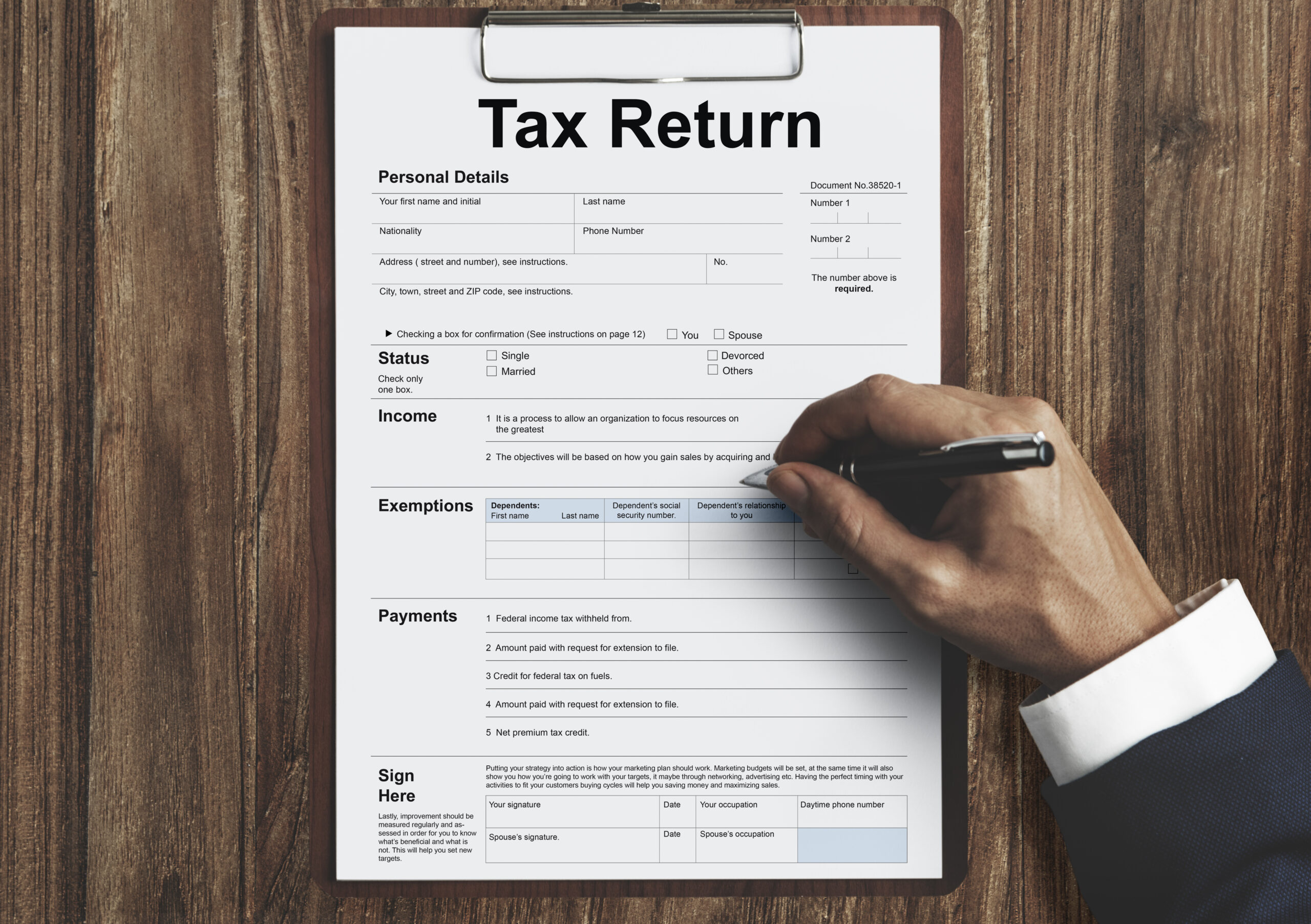
- If your divorce is finalized on December 30, you are treated as unmarried for that year.
- If your divorce is finalized on January 2, you are treated as married for the prior year.
Your options if divorced by December 31:
- Single
- Head of Household (if you qualify)
Your options if still married by December 31:
- Married Filing Jointly
- Married Filing Separately
Why do filing status mistakes happen
- “We were separated, so I filed as single.”
Not necessarily allowed. - “I filed Head of Household because I have kids.”
Not always allowed. - “My spouse said they were filing separately, so I did too.”
This can still create complications if both returns conflict.
3. Claiming Children: Dependents, Credits, and Custody Rules
The most valuable child-related tax benefits include:
- Child Tax Credit
- Additional Child Tax Credit
- Earned Income Tax Credit (EITC) (income-based)
- Child and Dependent Care Credit
- Education credits (in certain cases)
- Head of Household status
Who gets to claim the child?
Generally, the custodial parent (the parent the child lives with most nights of the year) has the right to claim the child.
- The divorce decree says otherwise
- The noncustodial parent pays more support
- The noncustodial parent believes it is “fair.”
IRS rules override divorce decrees
Common mistake:
- rejected returns
- delayed refunds
- IRS disputes
- potential audits
4. Alimony vs. Child Support: What’s Taxable and What Isn’t
Child support
- not tax deductible for the payer
- not taxable income for the recipient

- Alimony is not deductible for the payer
- Alimony is not taxable for the recipient
Mistake: confusing alimony with property division
- decrease when a child turns 18
- Stop when the child graduates
- change based on custody arrangements
- tax misreporting
- penalties
- disputes between ex-spouses
5. Property Division: The “Equal” Split That Isn’t Equal
Divorce taxes can quickly become costly.
Example: $100,000 is not always $100,000
- $100,000 cash = $100,000 usable value
- $100,000 in a 401(k) = taxable later (maybe 20–35% lost)
- $100,000 in stocks = capital gains taxes may apply
- $100,000 in home equity = may be protected by exclusions or may trigger gains later
What to do instead
- identifying each asset’s tax basis
- calculating future tax liability
- considering liquidity (how easy it is to use the asset)
- accounting for penalties (retirement withdrawals)
6. The Marital Home: Capital Gains, Basis, and Costly Traps
Capital gains exclusion basics
- up to $250,000 gain if Single
- up to $500,000 gain if Married Filing Jointly
Common mistake: selling after divorce without planning
- massive capital gains taxes
- reduced proceeds
- post-divorce financial shock
Another mistake: one spouse keeps the home but ignores the future tax burden
- They may inherit the entire capital gains exposure
- They may be responsible for all repairs, taxes, and insurance
- They may not qualify for the same exclusion later
7. Retirement Accounts and QDROs: The Most Dangerous Divorce Mistake
QDRO explained
- 401(k)s
- pensions
- other employer-sponsored retirement plans
- The retirement plan administrator may refuse to divide funds
- Withdrawals may become taxable
- Early withdrawal penalties may apply
- The wrong spouse could end up responsible for the tax bill
Common mistake:
- income tax
- 10% early withdrawal penalty (depending on circumstances)
- loss of retirement security
8. Hidden Tax Issues: Businesses, Investments, and Debt
Business ownership
- valuation issues
- depreciation
- pass-through income
- future tax obligations
- hidden liabilities
Investment accounts
- cost basis
- capital gains exposure
- dividend tax issues

- Both names are on the account
- The loan was jointly signed
- debt is forgiven
- assets are liquidated to pay debt
9. Common Tax Mistakes to Avoid During Divorce
Mistake #1: Filing jointly without protecting yourself
Mistake #2: Not addressing tax refunds in the settlement
Mistake #3: Both parents claiming the same child
Mistake #4: Ignoring Form 8332
Mistake #5: Misunderstanding Head of Household eligibility
Mistake #6: Dividing retirement without a QDRO
Mistake #7: Not updating W-4 withholding after divorce
Mistake #8: Not updating beneficiaries
Mistake #9: Failing to plan for capital gains
Mistake #10: Waiting until tax season
10. 5 Questions People Ask About Tax Implications of Divorce (With Answers)
Q1: Who claims the child on taxes after divorce?
Q2: Is alimony taxable income?
Q3: Can we still file jointly if separated?
Q4: What if both parents claim the same child?
Q5: Are divorce settlements taxable?
11. Divorce Tax Checklist + Practical Planning Tips
- Last 3 years of tax returns
- W-2s/1099s
- childcare expense receipts
- mortgage and home improvement records
- retirement statements
- investment account statements
- custody schedule documentation
Practical tips:
- negotiate tax terms in the settlement
- clarify who claims the children and when
- include Form 8332 provisions
- address refunds and liabilities
- Consult a divorce attorney before signing
12. Final Thoughts: Divorce Taxes Are Not “Small Details.”
The Tax Implications of Divorce are not minor paperwork issues; they can determine whether you keep or lose thousands of dollars, whether you get audited, and whether your post-divorce life starts with stability or financial chaos.
Strong Call to Action

At Tess House Law Firm, we help clients protect their future with divorce strategies that are smart, thorough, and built to avoid costly financial surprises. Whether you’re negotiating custody, dividing assets, or planning for support payments, our team will help ensure your divorce settlement is legally enforceable and financially sound.
Contact Tess House Law today to schedule a consultation.
Let us help you avoid tax mistakes, protect your rights, and move forward with confidence.