
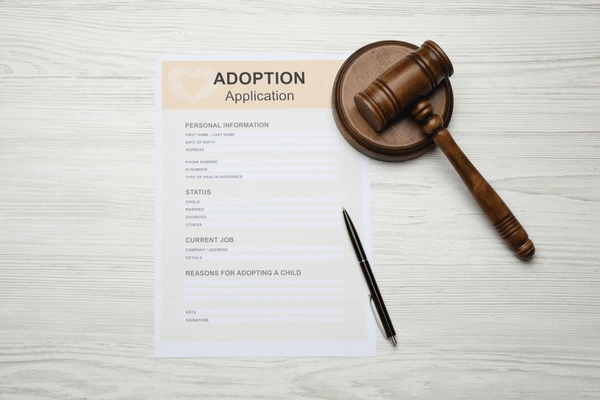
Stepparent adoption is an important legal step for blended families. When a stepparent adopts their stepchild, the law formally recognizes the emotional bond and parental role that may have been present for years. This process gives the child legal security, inheritance rights, and a lasting family relationship. The adopting stepparent also receives the same legal rights and responsibilities as a biological parent.
Table of Contents:
- What Is Stepparent Adoption?
- Why Families Choose Stepparent Adoption?
- Legal Requirements for Stepparent Adoption
- The Stepparent Adoption Process Explained
- Consent Requirements in Stepparent Adoption
- When a Biological Parent Refuses Consent?
- Benefits of Stepparent Adoption
- Common Challenges During Adoption
- Costs Associated With Stepparent Adoption
- How Long Does Stepparent Adoption Take?
- Frequently Asked Questions About Stepparent Adoption
- Important Considerations Before Pursuing Stepparent Adoption
- Why Working With an Experienced Family Law Attorney Matters?
- Final Thoughts
- Let Tess House Law Firm Help You Grow Your Family
What Is Stepparent Adoption?
Stepparent Adoption is a legal process through which a stepparent becomes the permanent legal parent of their spouse’s child. Once the adoption is approved by the court and finalized, the adoptive stepparent gains all the legal rights, responsibilities, and obligations of a biological parent. At the same time, the parental rights of the noncustodial biological parent are typically terminated, unless special circumstances apply.
For many blended families, stepparent adoption is more than just a legal process. It formally recognizes the loving parent-child relationship that has grown over time. In many homes, a stepparent gives daily care, emotional support, financial help, guidance, and stability. Adoption lets the law match the reality of this relationship.
Stepparent adoption is common in the United States because it creates a permanent legal bond between a child and a stepparent who already acts as a parent. Unlike traditional adoptions through agencies or foster care, the child already lives with one biological parent and the stepparent.
This often simplifies the process, but families still need to closely follow state laws and court rules.
Families often pursue step-parent adoption in situations such as:
- A biological parent has remarried, and the stepparent has become an active and consistent presence in the child’s life.
- The child views the stepparent as their primary parent and desires a legally recognized parent-child relationship.
- The noncustodial biological parent has little or no involvement with the child.
- The biological parent has abandoned the child or failed to provide financial support.
- The family wants to establish long-term legal stability and security.
- The child wishes to share the same legal family status and, in some cases, the same last name as the rest of the household.
A key part of stepparent adoption is that it creates a permanent legal relationship.
Once the adoption is complete, the stepparent can make important decisions about the child’s education, healthcare, religion, and overall well-being. The child also gains legal rights, such as inheritance from the adoptive parent and access to benefits through the parent’s job, insurance, or estate.
Besides legal benefits, stepparent adoption often gives children emotional comfort. Many children feel more secure and like they belong when the court formally recognizes their family relationship. This is especially true if the stepparent has been a steady presence in the child’s life for years and has taken on parental responsibilities.
Because adoption permanently changes parental rights, courts treat these cases with great care.
Before approving a stepparent adoption, a judge must decide whether it is in the child’s best interests. This standard guides every adoption and means the court looks at several factors.
including:
- The child’s emotional connection with the stepparent.
- The stability of the home environment.
- The child’s wishes depend on their age and maturity.
- The involvement of the noncustodial biological parent.
- The stepparent’s ability to provide care, support, and guidance.
- The overall impact of the adoption on the child’s future well-being.
The court may also review whether proper consent has been obtained from all necessary parties. In many cases, the noncustodial biological parent’s consent is required before the adoption can proceed. If consent is unavailable, the court may need to determine whether there are legal grounds to terminate that parent’s rights before granting the adoption.
In the end, stepparent adoption helps blended families strengthen both their legal and emotional bonds. Turning an existing family relationship into a legal one brings security, stability, and peace of mind for parents and children. For families who want to make their love and commitment official, stepparent adoption can be a life-changing and rewarding step.
Why Families Choose Stepparent Adoption?
Many blended families choose stepparent adoption because the stepparent already acts as a parent every day.

Common reasons include:
Strengthening Family Bonds
Adoption legally confirms the parent-child relationship that already exists emotionally.
Providing Stability
Children often feel more secure when their family structure is legally recognized.
Simplifying Decision-Making
A legal parent can make important decisions regarding:
- Education
- Medical care
- Extracurricular activities
- Travel arrangements
Ensuring Inheritance Rights
Adoption allows the child to inherit from the adoptive parent under state inheritance laws.
Protecting the Child’s Future
If the biological parent passes away, the adoptive stepparent’s parental rights remain intact.
Legal Requirements for Stepparent Adoption
The exact requirements vary by state, but several factors generally apply.
Marriage Requirement
In most states, the adopting individual must be legally married to the child’s biological or legal parent.
Residency Requirements
Many courts require either the child or adopting parent to have lived in the state for a specified period.
Background Checks
Some jurisdictions require:
- Criminal background checks
- Child abuse registry checks
- Fingerprinting
Home Study Requirements
Many states waive the traditional home study for stepparent adoptions, though courts may still require limited evaluations.
Child Consent
Depending on the child’s age, the court may require the child’s consent before approving the adoption.
The Stepparent Adoption Process Explained
Knowing the legal process helps families get ready for what to expect.
Step 1: Consult an Attorney
While you may not always need a lawyer, working with a family law attorney can help you avoid mistakes and delays.
Step 2: File the Adoption Petition
The stepparent files an adoption petition with the appropriate family court.
The petition generally includes:
- Information about the child
- Information about both parents
- Marriage details
- Reasons for seeking adoption
Step 3: Obtain Required Consents
The court typically requires consent from:
- The custodial parent
- The adopting stepparent
- The noncustodial biological parent (unless rights have been terminated)
Step 4: Complete Background Checks
Required investigations and screenings are completed.
Step 5: Attend Court Hearings
A judge reviews the case and determines whether the adoption serves the child’s best interests.
Step 6: Final Adoption Order
If approved, the court issues an adoption decree establishing the stepparent as the child’s legal parent.
Consent Requirements in Stepparent Adoption
One of the most important elements of stepparent adoption involves parental consent.
Generally, the noncustodial biological parent’s consent is required.
However, exceptions may exist when:
- The parent has abandoned the child.
- The parent has failed to support the child.
- The parent cannot be located.
- The parents’ rights have already been terminated.
Courts require clear evidence before eliminating a biological parent’s rights.
Because termination of parental rights is a serious legal matter, judges approach these cases carefully.
When a Biological Parent Refuses Consent?
A biological parent’s refusal does not automatically prevent adoption. The court may still grant the adoption if there are legal grounds to terminate parental rights.
Common grounds include:
Abandonment
A parent who has had little or no contact with the child for a significant period may be deemed to have abandoned the child.
Failure to Support
Failure to provide financial support may support termination proceedings.
Unfitness
Evidence of abuse, neglect, substance abuse, or other harmful conduct may justify termination.
Long-Term Absence
A prolonged absence from the child’s life may influence the court’s decision.
Since these situations can be difficult and sometimes lead to disputes, having a lawyer is often very important.
Benefits of Stepparent Adoption
The benefits of stepparent adoption extend beyond legal paperwork.
Legal Parent-Child Relationship
The adoptive parent gains full legal authority and responsibility.
Emotional Security
Children often experience a stronger sense of belonging and permanence.

The adoptive parent can make emergency and routine healthcare decisions.
Educational Rights
Schools can communicate directly with the adoptive parent regarding educational matters.
Inheritance and Financial Benefits
Children gain inheritance rights and may qualify for certain benefits through the adoptive parent.
Long-Term Stability
The family gains legal certainty regardless of future circumstances.
Common Challenges During Adoption
Many stepparent adoptions go smoothly, but sometimes challenges come up.
Locating the Biological Parent
Courts often require reasonable efforts to locate a missing parent.
Contested Cases
Disputes over parental rights can lead to lengthy court proceedings.
Documentation Issues
Missing records may delay processing.
Emotional Difficulties
Children may experience mixed emotions regarding adoption and family relationships.
State-Specific Legal Requirements
Each state has unique laws governing adoption procedures.
Having a skilled attorney can help families handle these challenges more easily.
Costs Associated With Stepparent Adoption
The cost of stepparent adoption varies depending on the complexity of the case.
Typical expenses include:
- Court filing fees
- Background check fees
- Attorney fees
- Document preparation costs
- Service of process fees
Uncontested adoptions are generally less expensive than contested cases involving termination of parental rights.
While adoption does cost money, many families feel the legal security and emotional benefits are worth it.
How Long Does Stepparent Adoption Take?
The timeline depends on several factors. An uncontested stepparent adoption may take only a few months.
Factors affecting timing include:
- Court schedules
- Background checks
- Consent issues
- Missing parent investigations
- Contested proceedings
Cases involving termination of parental rights generally require additional time.
Getting all the needed paperwork ready ahead of time can help avoid delays.
Frequently Asked Questions About Stepparent Adoption
1. What is stepparent adoption?
Stepparent adoption is a legal process that allows a stepparent to become the child’s legal parent, granting the same rights and responsibilities as a biological parent.
2. Does the biological parent’s consent always matter?
In most cases, yes. However, courts may waive consent if the biological parent has abandoned the child, failed to support the child, or had parental rights terminated.
3. How long does stepparent adoption take?
Uncontested adoptions may take several months, while contested cases can take much longer depending on the circumstances.
4. Can a child refuse a stepparent adoption?
Depending on state law and the child’s age, the court may require the child’s consent. Older children often have the right to express their wishes.
5. Do I need an attorney for stepparent adoption?
While some states permit self-representation, hiring a family law attorney can help ensure compliance with legal requirements and avoid unnecessary delays.
Important Considerations Before Pursuing Stepparent Adoption
Before beginning the adoption process, families should carefully evaluate several factors.
Consider the Child’s Emotional Readiness
Children may have complex feelings regarding:

- Their biological parent
- Family changes
- Identity concerns
- Loyalty conflicts
Open communication is critical.
Understand Permanent Legal Consequences
Adoption permanently changes legal relationships.
Once finalized:
- The adoptive parent gains parental rights.
- The biological parents’ rights are terminated.
- The child becomes the adoptive parent’s legal child.
Gather Documentation Early
Important records often include:
- Birth certificates
- Marriage certificates
- Court orders
- Child support records
- Medical records
Being prepared can make the process much smoother.
Seek Legal Guidance
Even seemingly simple adoptions may encounter unexpected legal issues.
An experienced family law attorney can spot possible issues early and help prevent bigger problems later.
Why Working With an Experienced Family Law Attorney Matters?
Stepparent adoption can involve sensitive family relationships and complex legal requirements.
An experienced attorney can assist with:
- Filing petitions
- Preparing documentation
- Locating absent parents
- Obtaining required consents
- Handling contested proceedings
- Representing families in court
Getting help from a professional can reduce stress and increase the likelihood of a successful adoption.
Final Thoughts
Stepparent adoption is a strong legal way for blended families to create lasting parent-child relationships. For many, adoption makes official a bond that has been there for years. Going through the legal process gives families security, stability, and peace of mind for the future.
Whether your case is straightforward or involves complex issues such as parental consent or termination of parental rights, understanding your rights and obligations is essential.
Taking the proper legal steps can help ensure that the adoption process proceeds smoothly and protects the child’s best interests.
Let Tess House Law Firm Help You Grow Your Family
If you are thinking about stepparent adoption, you do not have to go through the legal process by yourself. At Tess House Law Firm, we know how important it is to make your family bond permanent.
Our experienced team can help you at every step, from preparing paperwork and getting consents to representing you in court.

Contact Tess House Law Firm Today
We are here to help you get the legal rights and protections your family needs.
Contact Tess House Law today to schedule a consultation and take the first step toward completing your stepparent adoption with confidence.
Call Tess House Law Firm or contact us online to find out how we can help make your family legally complete.