

Does Child Support Count as Income? Here’s What the IRS Says
📌 Table of Contents:
- Understanding the Purpose of Child Support
- What Does the IRS Say About Child Support as Income?
- Do You Have to Report Child Support on Your Tax Return?
- Does Child Support Count Toward Public Assistance Eligibility?
- Does Paying Child Support Offer Any Tax Advantages?
- Financial Scenarios Where Child Support Counts as Income
- Common Questions Parents Ask
- Tips to Protect Yourself Legally and Financially
- Conclusion: Get Help From a Texas Family Law Firm That Cares
1. Understanding the Purpose of Child Support
- Food and groceries
- Housing and utilities
- Medical care and insurance premiums
- Education costs, including books and tuition
- Clothing, transportation, and extracurricular activities
2. What Does the IRS Say About Child Support as Income?
✅ If You’re Receiving Child Support
- It is not taxable: You do not owe federal income tax on any child support you receive, regardless of the amount.
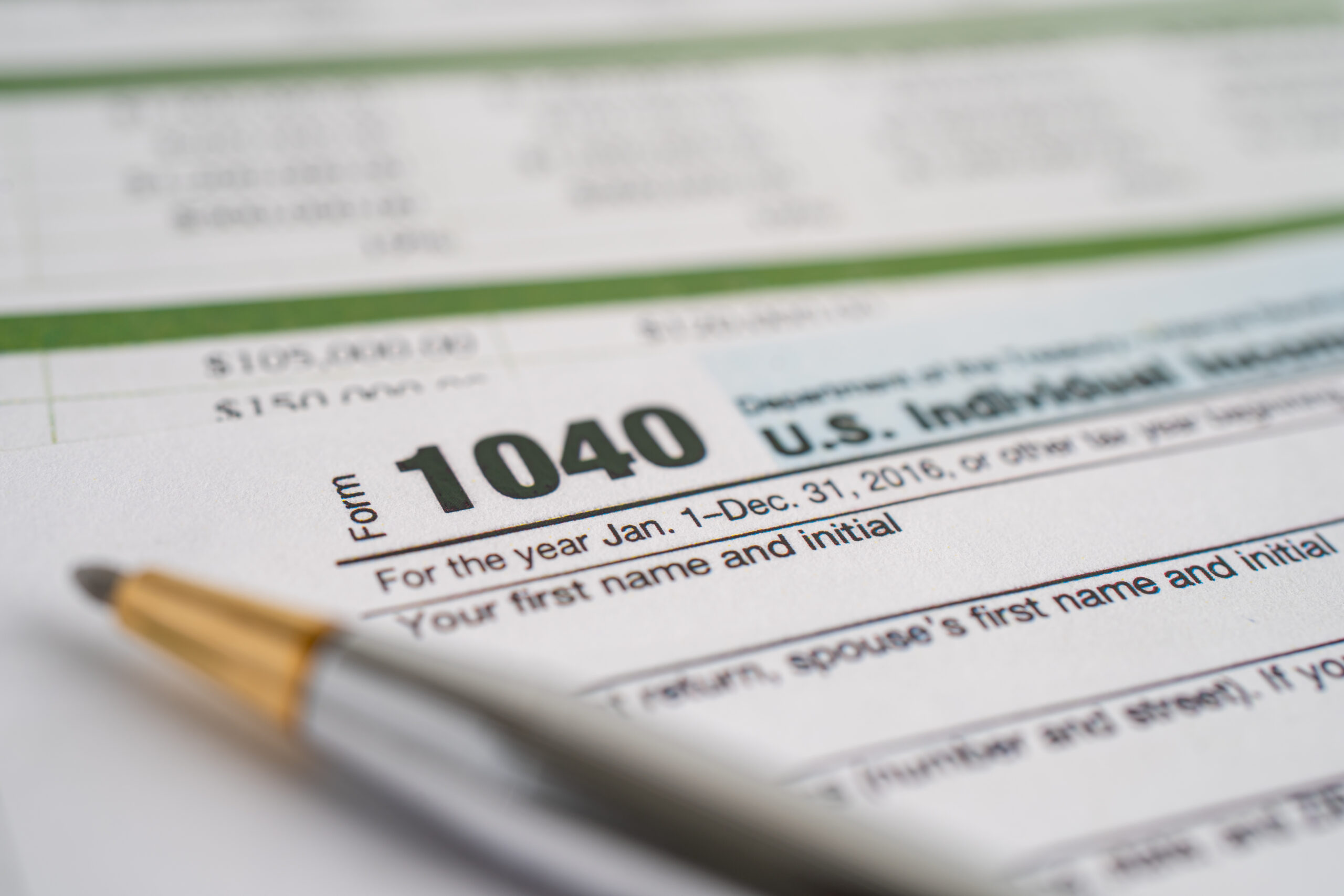
- You don’t report it: Child support doesn’t appear anywhere on your Form 1040. There is no field to enter it, and no separate form issued to document it (such as a 1099 or W-2).
- It has no bearing on federal income tax credits: It does not increase your adjusted gross income (AGI), affect your tax bracket, or impact tax credits like the Earned Income Tax Credit (EITC) or the Child Tax Credit.
❌ If You’re Paying Child Support
- Child support is not deductible: You cannot subtract it from your income to reduce your tax liability, even if the payments are court-ordered and paid on time.
- It is considered a personal obligation: The IRS treats child support as a non-deductible, personal family expense similar to groceries or rent rather than a business expense or a special tax-relevant outlay.
- No special forms apply: You don’t issue a 1099, nor do you receive any tax documents from the state or courts related to child support payments.
🧾 Why the IRS Excludes Child Support from Taxable Income
The core logic behind the IRS’s stance lies in the intended use of the funds. Child support is not designed for the personal benefit of the recipient parent. It is designed to support the child’s needs, including housing, food, education, and healthcare.
- It’s not income for the recipient: The parent receiving the payment isn’t earning it in exchange for labor or services.
- It’s not income for the child: The money is not deposited in the child’s name, and the child is not required to file a return.
- It’s not deductible for the payer: The payment satisfies a court-ordered obligation but does not qualify as a deductible expense, such as mortgage interest or charitable donations.
3. Do You Have to Report Child Support on Your Tax Return?
📄 No Line Item for Child Support on IRS Form 1040
When tax season rolls around, and you begin filling out your Form 1040, you’ll notice that the IRS asks for several types of income. These include wages and salaries from W-2s, self-employment income, dividends and interest, retirement distributions, unemployment benefits, and, if applicable, alimony. However, child support is completely absent from these categories. There is no field to report it under “wages,” “other income,” or even “miscellaneous” income.
💼 No Forms Issued: 1099 or W-2 Not Applicable
Along the same lines, you will not receive any IRS tax forms that reflect child support income. You will not be issued a Form 1099-MISC, which is commonly used for self-employment or miscellaneous income, nor a Form 1099-NEC, which reports non-employee compensation. You also won’t receive a W-2, typically used to report employer wages, or a Form SSA-1099, which is used to report Social Security benefits.
💸 What About Payroll Taxes?
Because child support is not classified as earned or taxable income, the money you receive is also not subject to FICA taxes. That means you do not pay Social Security or Medicare tax on it either. This has both advantages and disadvantages.
On the positive side, you get to keep 100% of the child support without any federal withholdings. It also helps you maintain a lower reported income, which could make you eligible for certain tax credits or keep you in a lower tax bracket.
📦 What If You Receive Other Types of Support?
The situation becomes more complex if you’re also receiving alimony, also known as spousal support or spousal maintenance. Unlike child support, alimony may be taxable and reportable, depending on when your divorce or separation agreement was finalized.
- It’s essential to note that these rules apply only to alimony, not child support. Even if you’re receiving both types of support under the same court order, only the alimony portion may be taxable and only based on the date of your divorce agreement. Child support remains non-taxable and non-reportable regardless of when your divorce was finalized.
4. Does Child Support Count Toward Public Assistance Eligibility?

- TANF (Temporary Assistance for Needy Families)
- SNAP (food stamps)
- Medicaid and CHIP
- Section 8 housing
- Free or reduced school lunch programs
Even though child support isn’t “taxable,” it’s still available cash that may be factored into need-based eligibility calculations.
Does Paying Child Support Offer Any Tax Advantages?
- A tax deduction
- A tax credit
- A reduction in your taxable income
- You’re behind on payments
- Your payments are automatically garnished
- You’re contributing far more than the court-ordered amount
5. Does Paying Child Support Offer Any Tax Advantages?
This is a common question among paying parents, especially those looking for ways to reduce taxable income. Unfortunately, paying child support does not offer any direct tax advantages.
- You cannot deduct child support from your taxable income.
- You don’t receive any credits or exemptions for making payments—unless specifically negotiated through other parts of a divorce or custody agreement (like dependency claims).
- The IRS considers child support a personal obligation, not a business or deductible expense.
- In some divorce agreements, the custodial parent may agree to let the paying parent claim the child as a dependent, which can offer valuable tax benefits—like the Child Tax Credit or Head of Household filing status.
- The paying parent may also be allowed to deduct certain medical expenses paid directly for the child—but only if they itemize deductions and meet IRS thresholds.
6. Financial Scenarios Where Child Support Counts as Income
While the IRS doesn’t count it, there are many real-world scenarios where child support is treated like income, including:
- Court-ordered
- Regularly paid
- Verified with documentation
… it can be counted toward your qualifying income for a home or car loan.
FAFSA treats child support received as untaxed income, which the custodial parent must report as taxable income. This may reduce eligibility for federal grants, subsidized loans, or work-study programs.
7. Common Questions Parents Ask
Here are five of the most frequently asked questions regarding child support and income reporting:
Yes. It’s usually treated as unearned income and must be reported when applying for or renewing housing vouchers.
Yes. Bankruptcy courts may factor child support payments received as part of your ability to repay debts under Chapter 13 or determine hardship under Chapter 7.
Typically, the custodial parent (who has the child for the majority of the year) receives the tax benefits unless the custodial parent agrees otherwise. However, they may sign IRS Form 8332 to allow the non-custodial parent to claim the child as a dependent.
Yes. If you owe child support arrears, the Treasury Offset Program can garnish your federal tax refund to pay down the balance.
8. Tips to Protect Yourself Legally and Financially
Whether you’re receiving or paying support, you can take essential steps to ensure you’re protected:
- Payment receipts
- Deposits and transfers
- Court orders and modifications
If there’s ever a dispute or IRS audit, records are your most vigorous defense.
Using official state child support processing systems creates a clear legal trail of payments. Avoid giving or accepting cash, which can lead to disputes.
Did you lose your job or experience a significant health event? You can request a modification of your child support obligation. However, remember that until a court formally changes your order, you are still legally bound by the original terms.
Only alimony (under older divorce agreements) may be taxable. Mixing the two can create IRS problems and expose you to legal liability.
- Modify court orders
- Enforce unpaid support
- Clarify legal and tax responsibilities
- Represent your best interest in custody and support disputes
9. Conclusion: Get Help From a Texas Family Law Firm That Cares

At Tess House Law Firm, we’ve helped hundreds of Texas families navigate child support, custody disputes, and financial transitions with confidence and compassion. Whether you’re unsure how to report income, need to modify your support order, or are worried about a tax issue, we can help you take the right next step.
📞 Contact Tess House Law today to schedule a consultation.
Let us fight for your rights, your finances, and your future because your family matters.
👉 Call Tess House Law Firm now or book online your trusted advocate in Texas family law.