
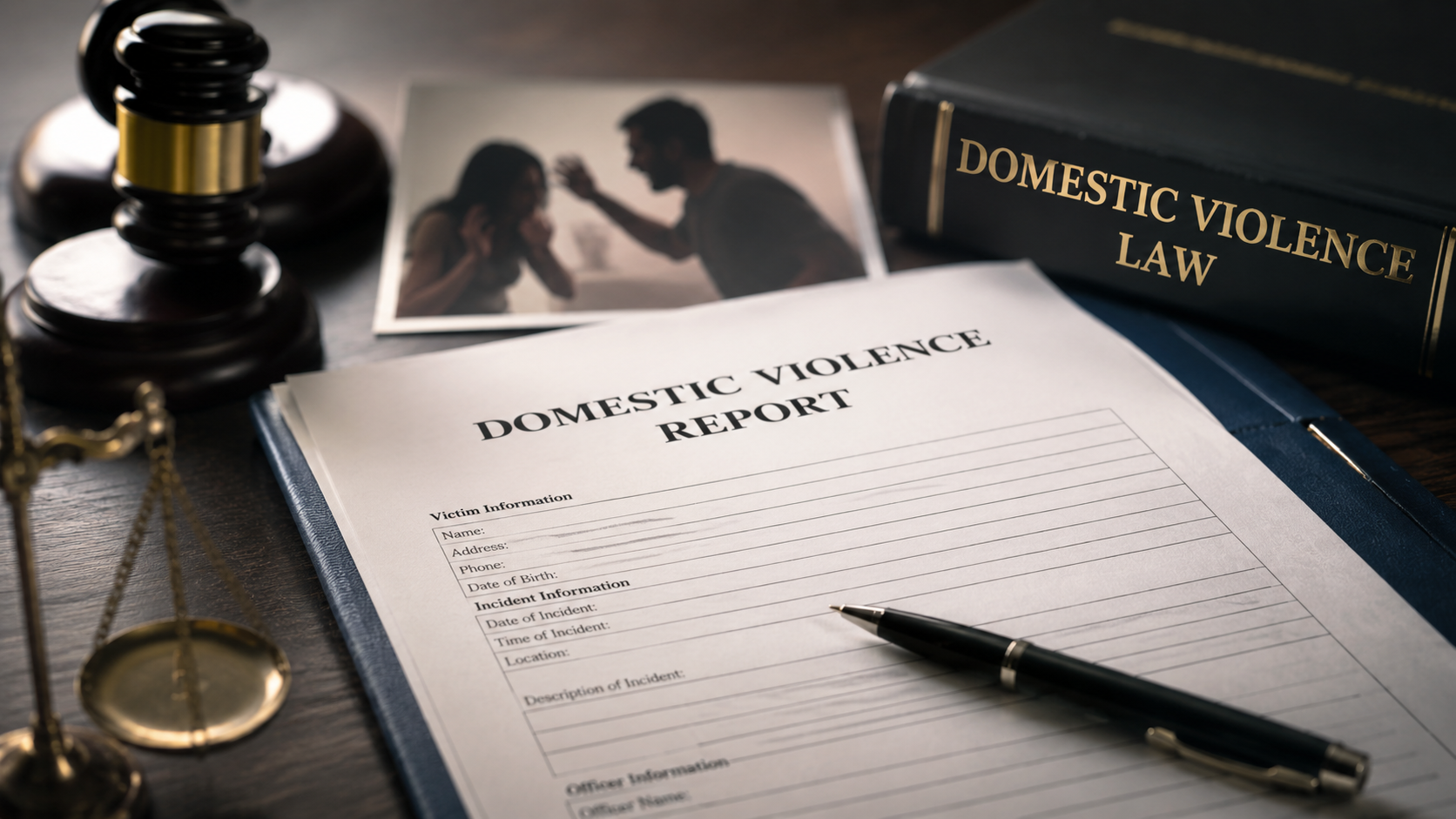
Few experiences are as terrifying and life-changing as being falsely accused of domestic violence. In an instant, your entire world can unravel. Your reputation, your freedom, your family, and even your ability to see your children may be at risk all before a judge ever hears your side of the story.
While laws protecting victims of abuse are absolutely vital, these same laws can also be misused by individuals who make false or exaggerated claims. A single accusation can lead to arrest, loss of employment, restraining orders, and lasting emotional trauma, even if you’re innocent.
Table of Contents:
- Understanding False Accusations of Domestic Violence
- Why False Accusations Happen
- How the Legal System Responds
- The Immediate Consequences of a False Accusation
- Steps to Take If You’re Falsely Accused
- Frequently Asked Questions
- Defense Strategies That Can Protect You
- Emotional, Financial, and Family Impact
- How to Rebuild After False Accusations
- How Tess House Law Firm Can Help
- Conclusion and Strong Call to Action
Understanding False Accusations of Domestic Violence
Domestic violence refers to abuse or threats of abuse between people in close relationships, such as spouses, romantic partners, co-parents, or family members. Abuse can take many forms: physical harm, emotional manipulation, threats, stalking, financial control, or coercion.
When someone falsely accuses you of domestic violence, it means they’ve intentionally or mistakenly claimed you engaged in abusive behavior when you didn’t. Unfortunately, law enforcement must take every report seriously, which often leads to arrests before any investigation occurs.

Even if charges are eventually dropped, the mere accusation can:
- Damage your reputation permanently
- Cause you to lose your job or professional license
- Separate you from your children
- Strain relationships with friends and family
- Trigger anxiety, depression, and public humiliation
Why False Accusations Happen
False allegations don’t always come from malicious intent, but when they do, they’re often motivated by emotion, control, or manipulation. Understanding why someone might falsely accuse you helps your attorney challenge their credibility and prove your innocence.
In divorce or child custody disputes, emotions can run high. A parent might make false claims of abuse to:
- Gain full custody of children
- Obtain exclusive rights to the family home
- Influence alimony or child support decisions
- Create leverage in settlement negotiations
Courts are cautious when it comes to protecting children, so even unverified allegations can drastically affect custody rulings.
After a breakup or argument, an ex-partner may fabricate a story out of anger or jealousy. They might call the police or file a report to “get even.”
Sometimes, false accusations are a form of emotional abuse. The accuser may file a report to force you out of your home, ruin your career, or isolate you from your support network.
Not every false claim is intentional. A third party, such as a neighbor or family member, may misinterpret violence as a heated argument, loud voices, or even a self-defense action.
Individuals struggling with untreated mental illnesses such as paranoia, borderline personality disorder, or delusional thinking may genuinely believe false narratives about abuse.
How the Legal System Responds
When someone reports domestic violence, law enforcement and the courts take swift action. While this system is meant to save lives, it often moves faster than the truth.
In many states, police are required by law to arrest if they suspect domestic violence occurred, even if there’s no visible injury or physical Evidence. Officers often err on the side of caution to protect the alleged victim.

A judge may issue a temporary restraining order (TRO) or protective order within hours of the accusation. These orders can:
- Prohibit contact with your accuser
- Force you to move out of your home
- Restrict access to your children
- Limit your ability to carry firearms
While intended for safety, these orders can have devastating effects on your life, especially if the allegations are false.
Even without Evidence, prosecutors may proceed with charges to appear proactive in protecting victims. Charges may include:
- Assault or battery
- Harassment or stalking
- Making threats
- Violating a protective order
Once charges are filed, prosecutors, not the accuser, control the case. Even if the accuser admits they lied, prosecutors may continue pursuing charges “in the interest of justice.”
You may have to post bail and appear in court multiple times. In some cases, judges impose strict conditions, such as counseling, curfews, or surrendering firearms.
If convicted, you could face:
- Jail or prison time
- Heavy fines and probation
- Court-ordered anger management or domestic violence programs
- Permanent criminal record
- Loss of parental rights or professional licensing
The Immediate Consequences of a False Accusation
Many people underestimate how quickly life changes after being accused of domestic violence. Within hours, you might find yourself:
- Locked out of your own home
- Cut off from your children
- Facing judgment from your community
- Losing your job or professional standing
A false accusation doesn’t just threaten your freedom; it impacts your entire life.
Employers may suspend or fire you after learning about your arrest, particularly in jobs that require background checks or involve public trust (such as teaching, healthcare, or law enforcement). Legal fees and court costs also add financial strain.
Steps to Take If You’re Falsely Accused
When falsely accused, time is your most valuable asset. Every decision you make after learning of the accusation can influence the outcome of your case.
Your instinct may be to confront your accuser, but resist. Anything you say can be twisted and used against you in court.
Do not wait. A skilled attorney can:
- File motions to dismiss unfounded charges
- Protect you from self-incrimination
- Challenge restraining orders
- Begin building your defense before the case escalates
Collect all Evidence that proves your innocence, such as:
- Text messages or emails showing the accuser’s motives
- Witness statements verifying your alibi
- Photos or videos proving that no violence occurred
- Social media posts or timestamps
Even if the accusation is false, always obey restraining orders or bail conditions. Violating these orders can create new charges.
Document every event and communication, including times, dates, and witnesses. This record can be invaluable when building your defense.
Stay silent on social media. Posting or venting online could be misconstrued as harassment or guilt.
Frequently Asked Questions
Yes. Police can arrest you based solely on an accuser’s statement if they believe there’s “probable cause.” That’s why legal representation is critical from the start.
Stay calm, invoke your right to remain silent, and ask for an attorney immediately. Do not try to explain your side to the police without legal counsel.
Even if the accuser recants, prosecutors may still proceed with the case. Your attorney will need to present Evidence to prove the recantation is credible.
Yes. Once cleared, you can pursue a civil lawsuit for defamation, malicious prosecution, or emotional distress.
Defense Strategies That Can Protect You
Fighting false accusations of domestic violence requires strategy, skill, and Evidence. A knowledgeable lawyer will tailor your defense to your unique situation, but most cases involve these common steps.
Your attorney will gather Evidence to show that the accusation is false or exaggerated. This may include phone records, surveillance footage, or witness testimony that disproves the claim.
A strong defense often involves exposing the accuser’s motive, such as custody disputes, revenge, or financial gain.
If your accuser has a history of dishonesty, manipulation, or prior false claims, your attorney can use that to weaken their credibility in court.
If you weren’t present when the alleged incident occurred, your lawyer can provide Evidence such as receipts, GPS data, or witness testimony showing you were elsewhere.
Your attorney may challenge the police investigation, for example, if they failed to collect Evidence properly, violated your rights, or acted on bias.
Psychological experts may testify to explain patterns of false reporting or show that the accuser’s injuries are inconsistent with their story.
Emotional, Financial, and Family Impact

People falsely accused often experience:
- Anxiety, panic attacks, or insomnia
- Shame and embarrassment
- Depression and hopelessness
- Fear of public judgment
The emotional impact can last long after your case ends. Therapy or counseling can be crucial for recovery.
False accusations often divide families. Children may be told lies about what happened. Parents and in-laws may take sides. It takes time and honesty to rebuild trust once the truth is revealed.
Legal defense fees, lost income, and court-related expenses can add up quickly. Many defendants spend thousands defending themselves against baseless accusations.
How to Rebuild After False Accusations
Clearing your name is just the beginning. The next challenge is rebuilding your life.
After acquittal or dismissal, request an expungement to remove the arrest and charges from the public record.
Be transparent and patient with family and friends. Show them the truth through documentation and open communication.
False accusations can cause trauma. Therapy can help you process anger, anxiety, and stress.
Consider explaining the situation privately to your employer once cleared. Networking, new certifications, or even a career change may help you move forward.
How Tess House Law Firm Can Help
At Tess House Law Firm, we understand that being falsely accused of domestic violence isn’t just a legal problem; it’s a personal crisis that can threaten your entire life.
Our experienced attorneys know how to navigate both the criminal and family court systems. We provide compassionate representation while aggressively protecting your rights.
- Challenging false allegations and protective orders
- Defending you in criminal court
- Protecting your parental rights during custody disputes
- Pursuing civil action against false accusers
- Guiding you through expungement and record sealing
Conclusion and Strong Call to Action
False accusations of domestic violence can destroy lives, but you have the power to fight back. The system may seem stacked against you, but the truth and the law are still on your side. With the right defense strategy, you can protect your rights, your reputation, and your future.